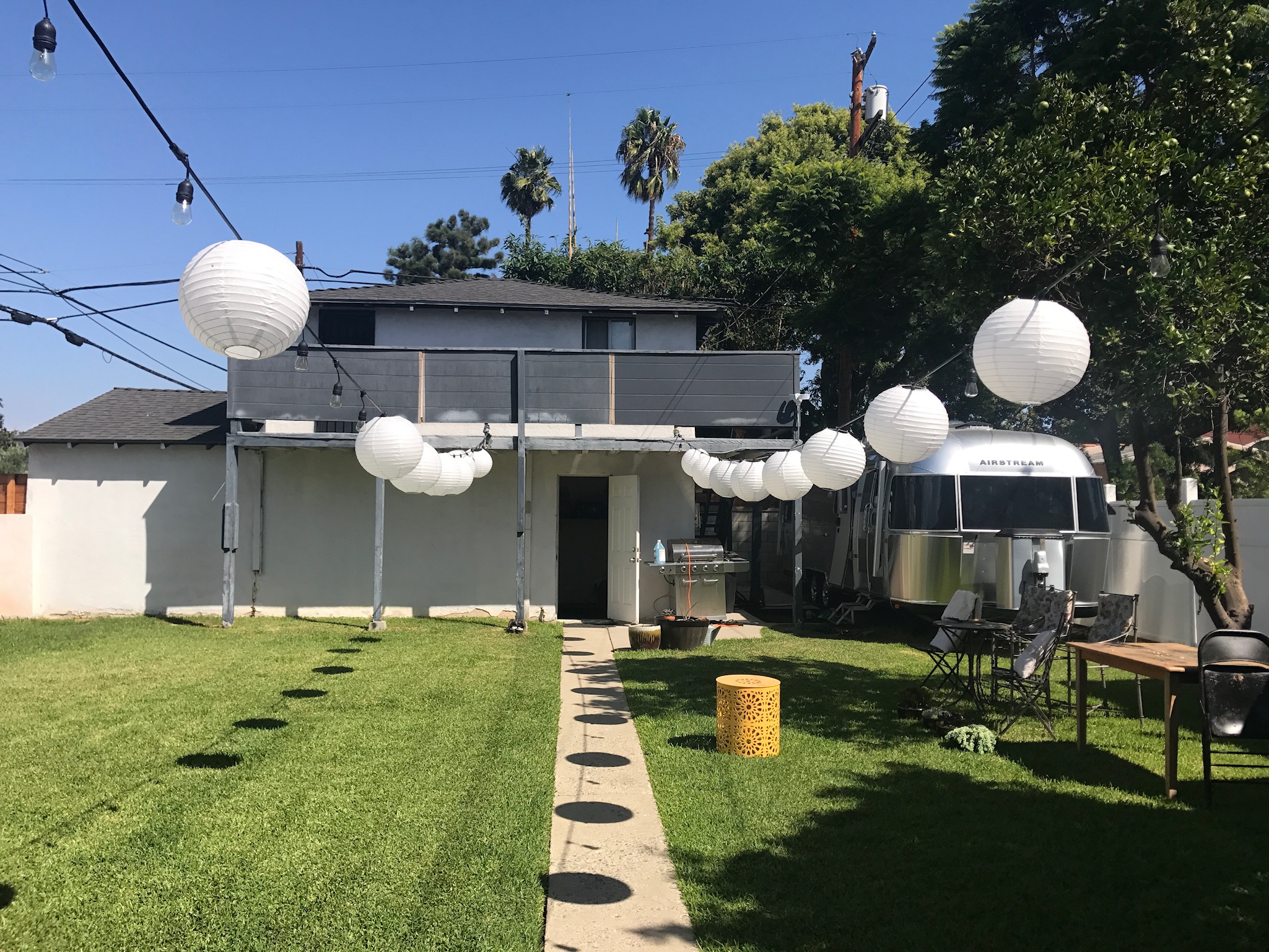
Should You Sell or Build an ADU in Long Beach? A Homeowner’s Guide
Decide whether to sell or turn your current property into an income-producing asset.
A lot of homeowners in Long Beach are sitting on something valuable right now:
Equity.
The question is what to do with it.
Some homeowners are considering selling while property values remain high. Others are exploring whether building an ADU could create better long-term income and appreciation.
There is no universal answer. The right decision depends on:
your financial goals
your timeline
your property
your lifestyle
your risk tolerance
But if you are trying to decide between selling your property or turning it into an income-producing asset with an ADU, this guide will help you think through both paths more clearly.
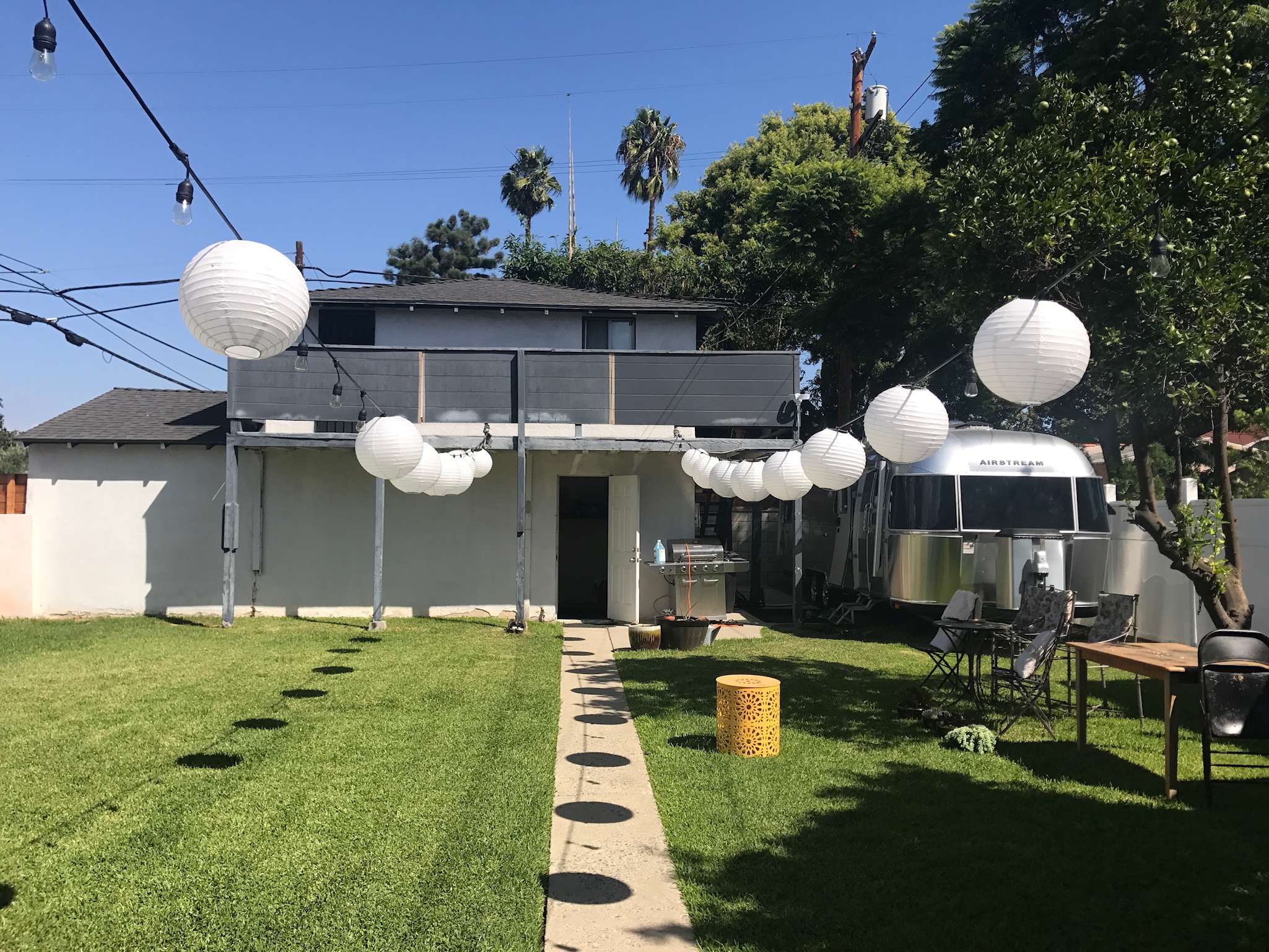
Why More Long Beach Homeowners Are Considering ADUs
In many neighborhoods across Long Beach, property values have increased dramatically over the last several years.
At the same time:
housing demand remains high
rental inventory remains limited
mortgage rates have changed affordability
homeowners are looking for new income streams
That combination has made ADUs increasingly attractive because they allow homeowners to create value without giving up the property they already own.
Instead of selling, some homeowners are choosing to:
add rental income
create multigenerational housing
increase resale value
offset mortgage costs
build long-term equity
For the right property, an ADU can transform a home from a static asset into a cash-flow-producing one.
When Selling Might Make More Sense
Building an ADU is not always the right move.
In some situations, selling may be the smarter financial decision.
1. You Need Immediate Liquidity
An ADU is a long-term investment.
Even if the return is strong, construction still requires:
upfront capital
financing
permits
timelines
project management
If you need immediate cash for:
relocation
debt reduction
retirement
life changes
another investment opportunity
selling may provide more flexibility than tying additional money into the property.
2. Your Property Is Not Ideal for an ADU
Not every lot creates a great ADU opportunity.
Some properties face challenges with:
layout constraints
access
parking
utility upgrades
lot coverage
neighborhood limitations
In these situations, the cost-to-return ratio may not make sense.
A smaller or highly constrained property can sometimes produce disappointing rental economics after construction expenses are considered.
3. You No Longer Want Property Responsibility
Rental income sounds attractive until homeowners consider the operational side.
Even with strong tenants, owning rental property still involves:
maintenance
repairs
management
vacancies
insurance
long-term upkeep
Some homeowners simply prefer simplicity over additional real estate responsibilities.
That is completely valid.
When Building an ADU Might Be the Better Financial Move
For many Long Beach homeowners, however, keeping the property and adding an ADU can create significantly stronger long-term upside than selling today.
1. You Want Monthly Income
This is one of the biggest reasons homeowners build ADUs.
A well-designed ADU in Long Beach can potentially generate:
supplemental retirement income
mortgage offset
long-term passive cash flow
additional financial stability
Depending on the unit type and neighborhood, many ADUs in Long Beach rent for:
$2,000–$4,000+ per month
That recurring income can become far more valuable over time than a one-time sale.
2. You Believe Long Beach Property Values Will Continue Growing
Some homeowners choose not to sell because they believe the long-term appreciation potential is still strong.
Keeping the property allows you to benefit from:
future appreciation
additional rental income
increased property utility
expanded buyer appeal later
An income-producing property is often more valuable than a standard single-family home alone.
3. You Want Multigenerational Flexibility
Not every ADU is built for tenants.
Many homeowners use ADUs for:
aging parents
adult children
guest housing
future downsizing
home office space
This flexibility can become increasingly valuable over time as family needs evolve.
The Financial Comparison Most Homeowners Miss
The biggest mistake homeowners make is comparing:
current home value
versusADU construction cost
That is too simplistic.
The better comparison is:
Selling:
one-time equity event
versus
Keeping + Building:
long-term appreciation
rental income
tax advantages
future property value increase
cash flow potential
For example:
A homeowner who spends:
$250,000 on an ADU
but creates:
$3,500/month in rental income
may generate:
$42,000/year in gross income potential
Over time, that can significantly outperform a one-time equity gain depending on market conditions and holding period.
Questions to Ask Before Deciding
Before choosing between selling or building an ADU, ask yourself:
Financial Questions
Do I need immediate cash?
Can I comfortably finance construction?
Am I thinking short-term or long-term?
Property Questions
Does my lot support a functional ADU?
Would the projected rent justify the cost?
Is my neighborhood attractive to renters?
Lifestyle Questions
Do I want landlord responsibilities?
Could an ADU support family needs later?
Am I planning to stay in Long Beach long term?
The clearer these answers become, the easier the decision usually gets.
Final Thoughts
For many homeowners in Long Beach, building an ADU is not just a construction project.
It is a financial strategy.
The right ADU can:
increase monthly income
improve long-term wealth
create housing flexibility
strengthen property value
But selling can still be the better option depending on your goals, timing, and lifestyle priorities.
The key is making the decision intentionally — with real numbers, realistic rental expectations, and a clear understanding of the long-term impact.
Because the best choice is not the one everyone else is making.
It is the one that aligns with the future you actually want to build.


